
Do Fire Extinguishers Really Expire? Learn All About It
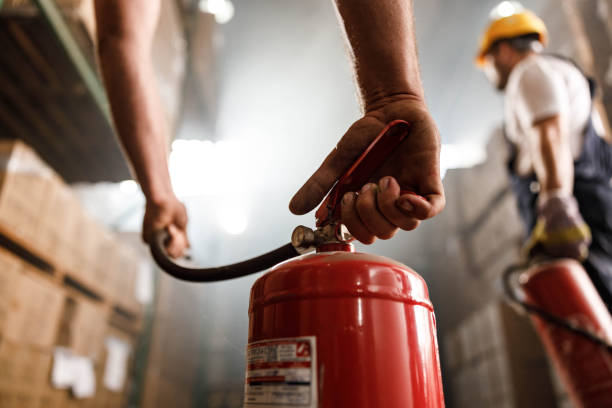
Fire extinguishers are an important part of workplace and property fire protection, but simply having one nearby does not guarantee that it will work when needed. Like other safety equipment, extinguishers require regular checks, maintenance, and appropriate replacement when they become damaged, outdated, or no longer meet safety requirements.
A common question property owners and businesses ask is, do fire extinguishers expire? The answer is more detailed than simply looking at a date printed on the cylinder. The condition of the extinguisher, its type, maintenance history, pressure, location, and applicable safety requirements can all affect whether it remains suitable for use.
At CIC Test and Tag, we understand the importance of keeping fire safety equipment properly maintained. Our approach focuses on helping businesses identify maintenance requirements and address issues before they become a serious safety concern.
Do Fire Extinguishers Expire?
Fire extinguishers do not always have a simple expiration date in the same way that food or certain medications do. However, they can become unsuitable for use over time. Components can deteriorate, cylinders can become damaged, pressure can change, and internal parts may require servicing.
The answer to do fire extinguishers expire therefore depends on several factors, including the extinguisher’s age, type, condition, maintenance history, and applicable requirements.
Why Age Matters for Fire Extinguishers
Older extinguishers may require more frequent attention because seals, hoses, valves, pressure components, and other parts can deteriorate. External corrosion can also weaken the cylinder and affect its reliability.
How Long Do Fire Extinguishers Last?
There is no universal lifespan that applies to every fire extinguisher. Different extinguisher types have different maintenance requirements, and their service life can depend heavily on storage conditions, usage, damage, and maintenance.
Factors That Can Affect Extinguisher Lifespan
Several conditions can affect how long an extinguisher remains serviceable:
- Corrosion or rust on the cylinder
- Physical damage or dents
- Exposure to extreme temperatures
- Damaged hoses, handles, or safety pins
- Loss of pressure
- Incorrect storage or positioning
- Previous discharge or use
- Lack of required servicing
- Deterioration of components
- Changes to the fire risks within the premises
An extinguisher that has been exposed to harsh conditions may require attention sooner than one stored in a suitable indoor environment.
Signs a Fire Extinguisher May Need Replacement
Knowing do fire extinguishers expire is useful, but visual inspection is also important. A damaged or poorly maintained extinguisher should not be relied upon simply because it is still mounted in its designated location.
Look for Visible Damage
Property managers and responsible personnel can look for obvious signs that an extinguisher needs professional attention. These signs may include:
- Rust or significant corrosion
- Cracks, dents, or other physical damage
- Missing safety pins
- Damaged hoses or nozzles
- Broken seals
- Pressure gauge readings outside the appropriate range
- Leakage or residue
- Blocked discharge components
- Unclear or damaged labels
These observations should not replace professional servicing. They can, however, help identify equipment that needs prompt attention.
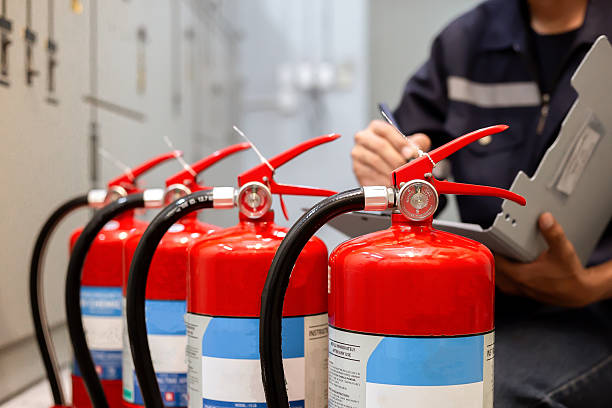
Why Fire Extinguisher Maintenance Matters
Regular maintenance is essential because an extinguisher may remain unused for years and still need servicing. When an emergency occurs, the equipment must be ready to operate as intended.
This is where fire safety inspection & maintenance becomes an important part of an overall fire safety program. Routine inspection can help identify equipment that is damaged, incorrectly positioned, under pressure, or otherwise unsuitable.
What Professional Maintenance Can Identify
Professional servicing can help identify problems that may not be obvious during a basic visual check. Depending on the equipment and applicable requirements, maintenance may involve checking the cylinder, operating components, pressure, condition, accessibility, identification, and other relevant aspects.
CIC Test and Tag can help businesses understand their fire safety maintenance requirements and identify equipment that may need servicing or further attention.
How Often Should Fire Extinguishers Be Checked?
Fire extinguishers should not simply be inspected once and then forgotten. Regular inspection and maintenance are important parts of keeping fire protection equipment serviceable.
The appropriate inspection and servicing frequency can depend on the type of extinguisher, its environment, applicable Australian requirements, and the maintenance program used for the premises.
Routine Checks and Professional Servicing
Routine checks can help identify obvious issues such as physical damage, blocked access, missing components, or pressure concerns. More detailed servicing should be performed by appropriately qualified professionals in accordance with applicable requirements.
What Happens If a Fire Extinguisher Is Not Maintained?
An extinguisher that has not been properly maintained may not perform as expected during a fire. Problems can remain hidden until the equipment is needed, which is why relying solely on appearance can be risky.
For businesses, poor maintenance can also create difficulties with broader workplace safety responsibilities and fire protection procedures.
Common Maintenance Problems
Some of the problems that can occur when extinguishers are neglected include:
- Reduced pressure
- Corrosion
- Blocked discharge mechanisms
- Damaged operating components
- Missing or damaged safety parts
- Incorrect positioning
- Expired or outdated maintenance records
- Equipment that is unsuitable for the identified fire risk
A structured maintenance process makes it easier to keep track of fire protection equipment and address problems before they become urgent.
Does Every Fire Extinguisher Need Replacement?
Not necessarily. The fact that an extinguisher is old does not automatically mean it must be replaced. A competent assessment should consider its condition, service history, type, compliance requirements, and suitability for its current environment.
When asking do fire extinguishers expire, it is therefore important to distinguish between an extinguisher that needs routine servicing and one that has reached a condition where replacement is more appropriate.
When Replacement May Be Appropriate
Replacement may be considered when an extinguisher has significant corrosion, serious physical damage, persistent operational problems, or other conditions that make continued use unsuitable.
Changes to a property’s fire risks may also mean that existing equipment is no longer appropriate. For example, a business may introduce new equipment, materials, or processes that require different fire protection measures.
Choosing the Right Fire Extinguisher for the Risk
Fire extinguishers are designed for different classes of fire. Selecting equipment based only on convenience or appearance can result in inadequate protection.
Businesses should consider the types of combustible materials, equipment, electrical risks, and other hazards present in each area.
Consider the Environment and Fire Risk
A suitable fire safety assessment should consider where extinguishers are positioned, whether they are accessible, and whether the equipment is appropriate for the identified hazards.
Fire Safety Services in Western Sydney
Businesses need more than fire extinguishers sitting on a wall. Fire protection involves appropriate equipment, suitable positioning, inspections, maintenance, documentation, and an understanding of the risks present within the workplace.
Supporting Workplace Fire Safety
A consistent fire safety program can help businesses keep important equipment under review. It can also make it easier to identify maintenance requirements and address concerns as they arise.
How to Keep Track of Fire Extinguisher Maintenance
Good record keeping can make fire safety management easier. Businesses should know where their extinguishers are located, what type of equipment is installed, when relevant inspections were completed, and whether any follow-up work is required.
Create a Practical Maintenance Routine
A simple routine can include:
- Identifying all fire extinguishers throughout the premises.
- Checking that access to each unit remains clear.
- Looking for obvious signs of damage or corrosion.
- Keeping maintenance information organised.
- Arranging professional servicing when required.
These steps can help responsible personnel maintain better visibility over their fire protection equipment.
Why Businesses Should Not Ignore Older Extinguishers
An older extinguisher is not automatically unsafe, but its age should encourage closer attention to its maintenance history and condition. Equipment that has been overlooked for years may have problems that are not immediately visible.
Conclusion
So, do fire extinguishers expire? They may not have one simple expiration date, but they can become unsuitable for use because of age, damage, corrosion, pressure problems, deterioration, or inadequate maintenance. Regular inspection and servicing are important for identifying these issues and keeping fire protection equipment in appropriate condition.
Fire safety should be treated as an ongoing responsibility. Businesses should keep track of their equipment, maintain clear access, arrange appropriate servicing, and review their fire protection requirements when workplace risks change.
If you need support reviewing your fire protection equipment or arranging fire safety inspection & maintenance, Contact us to discuss the requirements for your premises. CIC Test and Tag can help you take a structured approach to maintaining important workplace safety equipment.
Frequently Asked Questions
Do fire extinguishers expire?
Fire extinguishers do not always have one universal expiration date. Their serviceability depends on factors such as condition, type, maintenance history, damage, corrosion, and applicable requirements. Professional inspection and servicing can help determine whether equipment remains suitable.
How do I know if a fire extinguisher needs replacing?
Visible corrosion, significant dents, damaged components, leakage, pressure problems, or other serious defects may indicate that replacement is required. A qualified professional should assess the equipment rather than relying only on its appearance.
How often should fire extinguishers be inspected?
Inspection and maintenance requirements depend on the equipment, environment, applicable Australian requirements, and the maintenance program in place. Regular checks and appropriate professional servicing help keep fire protection equipment in serviceable condition.
Can an old fire extinguisher still be used?
Age alone does not necessarily mean an extinguisher must be replaced. Its condition, service history, type, and suitability for the current fire risk should be considered. If there is uncertainty, professional assessment is appropriate.
Where can businesses arrange fire safety services in Western Sydney?
Businesses can arrange professional fire safety services in Western Sydney to help review and maintain relevant fire protection equipment. The required service will depend on the premises and the equipment being assessed.