Fire Extinguisher Testing in Sydney: Stay Compliant with Australian Fire Safety Regulations
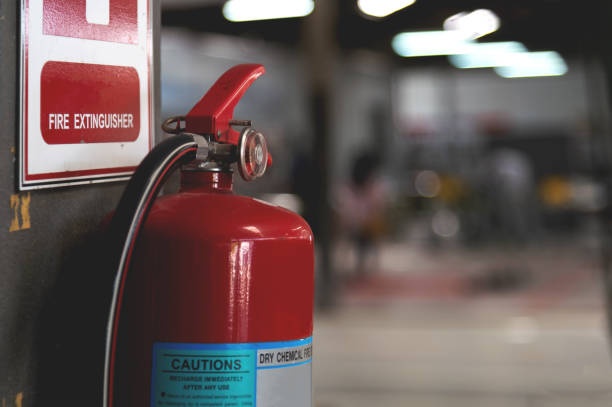
Fire extinguishers are among the first pieces of equipment people may rely on when a small fire occurs. However, having an extinguisher on a wall or inside a vehicle does not automatically mean it is ready for use. Equipment needs appropriate inspection, maintenance and documentation to help ensure it remains serviceable.
For businesses, property managers, warehouses, workshops, construction sites and fleet operators, understanding inspection requirements is an important part of workplace safety. Regular fire extinguisher testing in Sydney can help identify damaged, discharged or otherwise unsuitable equipment before an emergency occurs.
This guide explains what extinguisher inspections involve, how maintenance supports fire safety compliance, what businesses should record and how fire protection fits into a broader workplace safety program.
Why Fire Extinguisher Testing Matters
A fire extinguisher may remain unused for long periods, yet its condition can change during storage. Pressure, corrosion, physical damage, obstruction or incorrect placement can affect its readiness. Routine inspection provides an opportunity to identify these issues and arrange appropriate maintenance before the equipment is needed.
Extinguishers Need More Than a Visual Check
A basic visual check can identify obvious problems such as dents, corrosion, damaged hoses, missing components or an obstructed extinguisher. However, proper servicing involves more than simply looking at the cylinder. The extinguisher should be assessed according to its type, condition and applicable maintenance requirements.
Different Extinguishers Serve Different Purposes
Fire extinguishers are selected according to the type of fire they are designed to address. For example, equipment suitable for ordinary combustible materials may not be appropriate for every electrical, flammable-liquid or cooking-related fire.
Businesses should therefore avoid assuming that one extinguisher type is suitable for every area. A competent inspection can help identify whether equipment is appropriately located, identifiable and maintained for its intended application.
What Happens During Fire Extinguisher Servicing?
Effective maintenance involves a systematic inspection of the extinguisher and its associated components. The exact procedure depends on the extinguisher type, its condition and the applicable Australian requirements. Regular servicing helps businesses identify problems that could otherwise remain unnoticed.
Checking the Extinguisher Condition
During fire extinguisher servicing Sydney businesses may need to have equipment assessed for physical damage, corrosion, pressure condition, accessibility, hose or nozzle condition and other serviceable components. Labels and identification information should also remain legible.
The inspection process should determine whether the extinguisher is suitable for continued service or requires further maintenance. Where a problem is identified, the appropriate corrective action should be documented rather than allowing questionable equipment to remain available as if it were ready for an emergency.
Looking at Location and Accessibility
An extinguisher can only provide practical protection if workers can locate and access it when required. Storage areas, stock, machinery or temporary workplace changes can obstruct equipment over time.
Businesses should make sure extinguishers remain visible, accessible and appropriately positioned. Emergency equipment should not be hidden behind boxes, vehicles, shelving or other workplace materials.
This is an important part of fire safety compliance because emergency preparedness involves both the condition of equipment and its accessibility.
How Often Should Fire Extinguishers Be Serviced?
Maintenance schedules should be based on the relevant Australian Standards, the type of equipment and the environment where it is installed. Businesses should not rely on a single generic interval without considering the specific requirements applicable to their premises.
Understand Inspection and Maintenance Requirements
Fire extinguisher testing in Sydney should be incorporated into a planned maintenance schedule rather than treated as an occasional task. A documented schedule makes it easier to identify upcoming inspections and prevents equipment from being overlooked.
Environmental conditions can also influence equipment condition. Outdoor exposure, humidity, dust, industrial activity and frequent movement can create additional challenges. Fleet vehicles and mobile equipment may require particular attention because extinguishers can experience vibration and changing operating conditions.
Keep Maintenance Records Updated
Good records provide evidence of what equipment has been inspected and what action was taken. Records may include the extinguisher identification, inspection date, maintenance activity and any corrective work.
Businesses arranging fire extinguisher servicing Sydney can use these records as part of their broader maintenance and safety management process.
Fire Extinguishers and Workplace Fire Safety Compliance
Extinguishers form one component of a wider emergency preparedness system. A workplace may also have fire blankets, hose reels, emergency lighting, smoke alarms, evacuation arrangements and other measures depending on the premises and its risks.
Create a Complete Safety Inspection Schedule
A structured inspection schedule helps businesses manage different safety responsibilities together. Instead of treating each piece of equipment as an isolated task, managers can maintain a register covering relevant fire and workplace safety equipment.
A practical schedule may include:
- Fire extinguisher inspections and maintenance
- Fire blanket checks
- Hose reel inspections
- Emergency exit lighting checks
- Smoke alarm inspections
- Electrical equipment testing
- First aid kit inspections
- Corrective action and record reviews
CIC Test and Tag lists inspections of extinguishers, fire blankets, hose reels, exit lighting and smoke alarms among its fire safety services.
Review Changes to the Workplace
A workplace can change significantly after an inspection. New machinery, changes to storage arrangements, renovations or changes in occupancy can affect fire risks and emergency access.
Businesses should review their fire safety arrangements when the workplace changes rather than assuming an old inspection remains appropriate indefinitely. This approach supports ongoing fire safety compliance and helps ensure equipment remains accessible and relevant.
Fire Protection for Warehouses and Industrial Sites
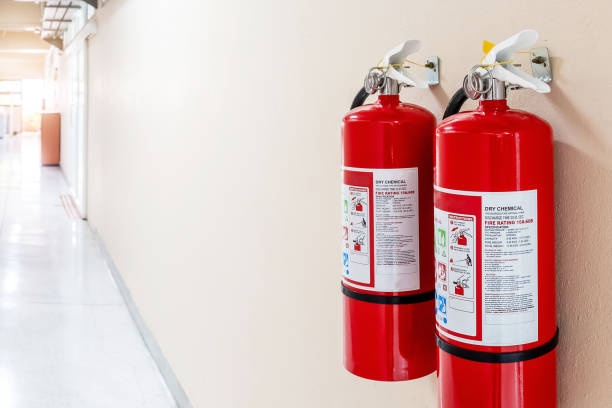
Warehouses, factories and workshops may contain combustible materials, electrical equipment, machinery and other potential ignition sources. The combination of equipment, storage and workplace activity makes planned inspections particularly important.
Consider the Working Environment
Fire protection should reflect the actual conditions within a workplace. Storage arrangements, machinery locations, electrical installations and materials handled on site can influence where emergency equipment should be positioned.
Regular inspection also provides an opportunity to identify physical damage or access problems. For example, an extinguisher may become difficult to reach if stock is moved around it or if workplace layouts change.
CIC Test and Tag provides safety and compliance inspection services for commercial, industrial and construction environments, including warehouses and factories.
Do Not Ignore Damaged Equipment
An extinguisher showing corrosion, physical damage or another significant defect should not simply be assumed to be serviceable. The appropriate response depends on the condition and applicable maintenance requirements.
Promptly identifying defective equipment allows businesses to arrange maintenance or replacement and update their records. This helps maintain the reliability of workplace fire protection equipment.
Fire Extinguisher Testing for Fleet Vehicles
Vehicles used for construction, transport, logistics and mobile work can carry fire extinguishers as part of their safety equipment. These extinguishers face different conditions from equipment permanently installed inside a controlled building.
Mobile Equipment Faces Additional Wear
Vehicle movement can expose equipment to vibration, temperature changes, dust and physical handling. Extinguishers can also be affected by the way tools, materials and other equipment are stored around them.
For this reason, fire extinguisher testing in Sydney can be particularly relevant to businesses managing commercial vehicles and mobile workforces. Fleet inspections should identify which vehicles carry extinguishers and record their inspection status.
CIC Test and Tag states that its fleet safety services include vehicle fire safety inspections and checks of fire extinguishers and first aid kits.
Maintain a Fleet Equipment Register
A fleet register can connect each extinguisher with a vehicle, depot or asset number. This makes it easier to determine which equipment has been inspected and which items require attention.
Businesses arranging fire extinguisher servicing Sydney for mobile assets should also consider how equipment is transferred between vehicles. Accurate records reduce the risk of an item being missed when vehicles change drivers, locations or operating schedules.
Combining Fire and Electrical Safety Inspections
Electrical faults can contribute to workplace fire risks, which makes electrical safety an important part of a broader fire prevention strategy. Fire inspections and electrical inspections address different hazards, but both can form part of an organised workplace safety program.
Electrical Equipment Can Create Fire Risks
Damaged cords, faulty appliances, overloaded equipment and electrical defects can contribute to overheating or ignition. Regular electrical inspection helps identify equipment that may present a hazard.
CIC Test and Tag provides electrical testing and tagging for workplace equipment, with its service describing checks including insulation resistance, earth continuity, polarity and leakage.
Businesses looking to coordinate electrical checks with fire safety can review fire protection and electrical inspection services as part of a broader safety program.
Build One Practical Compliance Calendar
A shared maintenance calendar can help managers track fire equipment, electrical equipment and other workplace safety inspections. It can also make responsibility clearer when several people manage different areas of a business.
For businesses reviewing fire safety compliance alongside electrical testing, fire safety and workplace inspection services provide information about the range of inspection work offered by CIC Test and Tag.
How Businesses Can Prepare for an Inspection
Preparation does not replace professional inspection, but it can make the process more organised. Businesses should identify equipment, clear access routes and gather existing records before scheduled maintenance.
Keep Equipment Accessible and Identifiable
Before an inspection, managers can check that extinguishers are visible and accessible. They can also identify missing, relocated or damaged units and update their internal equipment register.
Useful preparation steps include:
- Confirming the location of each extinguisher
- Checking that access is not obstructed
- Identifying extinguishers assigned to fleet vehicles
- Keeping previous maintenance records available
- Reporting visible damage
- Reviewing changes to workplace layouts
- Recording corrective actions after inspection
These simple steps support effective fire protection management without replacing the technical assessment performed during servicing.
Choose a Consistent Record-Keeping Process
A consistent record system makes it easier to track inspection dates and corrective actions. Digital records can be particularly useful for businesses operating several workplaces or maintaining a large fleet.
CIC Test and Tag describes digital reporting and compliance records as part of its inspection services.
Businesses that need to arrange an inspection can request information about workplace safety and compliance services based on their premises, equipment and operational requirements.
Why Regular Maintenance Supports Fire Protection
Fire extinguishers are emergency equipment, so their condition matters before an emergency occurs. A maintenance program helps businesses identify problems early and provides a structured way to keep equipment records current.
Prevention Is Part of Emergency Preparedness
Fire safety is not limited to responding after an incident starts. Preventive measures, equipment maintenance, accessible emergency equipment and employee awareness all contribute to workplace preparedness.
Regular fire extinguisher testing in Sydney helps businesses identify equipment that may require maintenance, replacement or further assessment. The aim is not simply to have an extinguisher present, but to maintain an organised system for emergency equipment.
For workplaces requiring fire extinguisher servicing Sydney, the maintenance process should be integrated with other workplace inspection responsibilities.
Conclusion
Fire extinguishers are an important part of workplace emergency preparedness, but their presence alone does not demonstrate that they are ready for use. Regular inspection, appropriate servicing, accessible placement and accurate records all contribute to effective fire safety management.
For businesses, fire extinguisher testing in Sydney should form part of a planned inspection program based on the workplace environment, equipment and applicable requirements. This is particularly important for warehouses, workshops, construction sites, commercial premises and fleet operations.
If your business needs to arrange fire extinguisher servicing Sydney, reviewing the equipment register and current maintenance records is a practical first step. For further information about scheduling an inspection, speak with our team about your safety and compliance requirements.
Frequently Asked Questions
How often should fire extinguishers be inspected?
The applicable inspection and maintenance schedule depends on the extinguisher, workplace environment and relevant Australian requirements. Businesses should follow the applicable standard and maintenance program rather than relying on an informal visual check alone.
What does fire extinguisher servicing include?
Servicing can involve assessing the extinguisher’s physical condition and serviceable components, identifying defects and determining whether maintenance or replacement is required. The exact procedure depends on the equipment type and applicable requirements.
Why is fire safety compliance important for businesses?
Fire safety compliance helps businesses manage emergency equipment and workplace risks in accordance with applicable requirements. It also supports a systematic approach to inspection, maintenance, documentation and corrective action.
Do fleet vehicles need fire extinguisher inspections?
Businesses should include extinguishers carried in commercial and industrial vehicles within their relevant safety inspection program. Mobile equipment can experience vibration, dust and temperature changes, so its condition should be monitored appropriately.
Can electrical and fire safety inspections be scheduled together?
Yes. Electrical and fire inspections address different safety requirements, but businesses can coordinate them within a broader maintenance calendar. CIC Test and Tag provides both electrical testing and fire safety inspection services, which can help businesses organise related compliance activities.