Understanding Fire Safety Equipment Standards in Australian Workplaces
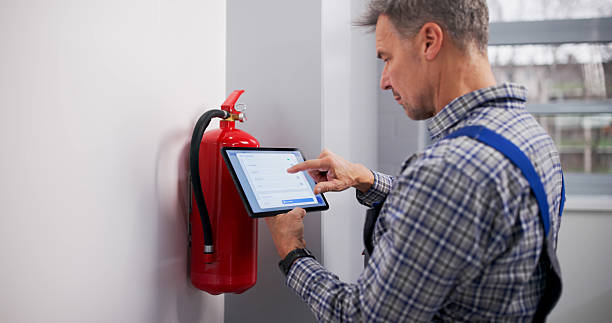
Fire safety is a critical component of workplace health and safety across industries. Every organisation, whether small office or large industrial facility, must ensure that appropriate fire safety equipment is installed, maintained, and regularly inspected. Fire safety equipment in Australia is governed by strict standards that aim to reduce risks, protect lives, and ensure businesses are prepared to respond effectively in emergency situations.
Modern workplaces rely on a range of electrical systems, machinery, and materials that may increase fire risks if not properly managed. This makes fire safety inspection and ongoing maintenance essential. By implementing structured fire safety services, businesses can reduce hazards, improve compliance, and create a safer environment for employees and visitors.
Importance of Fire Safety Compliance in Workplaces
Fire risks can arise unexpectedly from faulty wiring, overheating equipment, or human error. Fire safety equipment in Australia provides a structured way to manage these risks and ensure workplaces are prepared for emergencies.
Why fire safety compliance matters
Fire safety compliance is essential for protecting both people and property. When businesses follow established standards, they reduce the likelihood of fires and improve their ability to respond quickly. Regular fire safety inspection ensures that equipment functions correctly, while compliance demonstrates responsibility and adherence to workplace safety regulations.
Types of Fire Safety Equipment Used in Australia
Different workplaces require different types of fire safety equipment depending on their operations and level of risk. Fire safety equipment in Australia must meet regulatory standards to ensure reliability and effectiveness.
Common fire safety equipment in workplaces
Fire safety equipment includes fire extinguishers, fire blankets, smoke alarms, sprinkler systems, and emergency lighting. Each plays a specific role in fire detection, suppression, or evacuation. Proper installation and maintenance of these systems are essential for ensuring they perform effectively during emergencies.
Australian Standards for Fire Safety Equipment
Australian standards define how fire safety equipment should be installed, maintained, and tested. Fire safety equipment in Australia must comply with these guidelines to ensure safety and consistency across workplaces.
Key compliance standards
Standards such as AS 1851 outline routine servicing requirements for fire protection systems. These standards specify how often fire safety inspections should occur and what procedures must be followed. Compliance with these standards ensures equipment remains functional and ready to operate when needed.
Role of Fire Safety Services in Compliance
Professional fire safety services play a crucial role in helping businesses maintain compliance. Fire safety equipment in Australia requires regular inspection and servicing by trained professionals who understand regulatory requirements.
How fire safety services support workplaces
Fire safety services include installation, inspection, testing, and reporting. These services ensure that all equipment is functioning correctly and meets required standards. Providers like CIC Test and Tag assist businesses by delivering reliable fire safety inspection processes and maintaining detailed compliance records.
Frequency of Fire Safety Inspections
Regular fire safety inspections are necessary to ensure equipment remains effective and compliant. Fire safety equipment in Australia must be inspected according to specific schedules based on usage and risk level.
How often inspections should be conducted
Inspection frequency varies depending on the type of equipment and the workplace environment. High-risk industries may require more frequent fire safety inspections, while lower-risk environments may follow annual schedules. Maintaining consistent inspection routines helps identify issues early and prevents equipment failure.
Benefits of Regular Fire Safety Inspections
Routine fire safety inspections offer several advantages that go beyond basic compliance. Fire safety equipment in Australia performs best when regularly maintained and tested.
Key benefits for workplace safety
- Reduces the risk of fire incidents by identifying potential hazards early
- Ensures equipment functions correctly during emergencies
- Supports compliance with workplace safety regulations
- Minimises damage to property and operational disruptions
- Improves overall workplace safety awareness and preparedness
These benefits highlight the importance of integrating fire safety services into regular business operations.
Common Compliance Challenges
Maintaining fire safety compliance can be challenging for many organisations. Fire safety equipment in Australia requires consistent attention and proper management.
Issues businesses often encounter
- Inconsistent fire safety inspection schedules
- Lack of proper documentation and record keeping
- Use of outdated or damaged fire safety equipment
- Limited employee awareness of fire safety procedures
- Failure to meet regulatory requirements due to oversight
Addressing these challenges requires a proactive approach and support from experienced fire safety services providers.
Importance of Documentation and Record Keeping
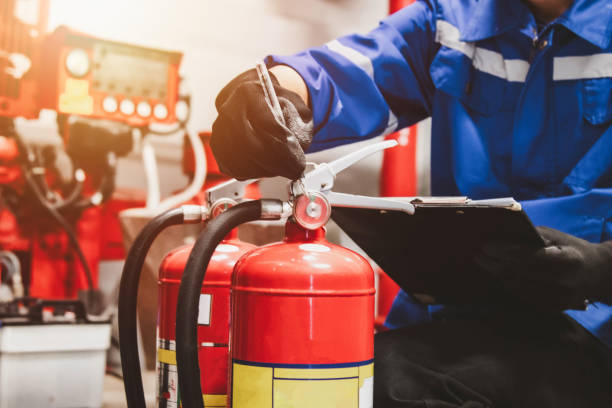
Accurate documentation is an essential part of maintaining compliance. Fire safety equipment in Australia must be supported by detailed records of inspections, maintenance, and testing.
Why record keeping matters
Proper documentation provides evidence of compliance during audits and inspections. It also helps businesses track equipment performance, identify recurring issues, and plan future maintenance. Maintaining clear records ensures transparency and supports long-term safety strategies.
Integrating Fire Safety into Workplace Policies
Fire safety should not be treated as a standalone requirement. Fire safety equipment in Australia must be integrated into broader workplace safety policies to ensure consistent implementation.
Building a proactive safety approach
A proactive approach involves regular training, scheduled fire safety inspection routines, and clear emergency procedures. Businesses that integrate fire safety into daily operations create a culture of awareness and preparedness, reducing risks and improving overall safety outcomes.
Role of CIC Test and Tag in Fire Safety Compliance
CIC Test and Tag plays an important role in supporting businesses with fire safety compliance. Their expertise in fire safety services helps organisations meet regulatory requirements effectively.
Reliable fire safety support
Through professional fire safety inspection and maintenance services, CIC Test and Tag ensures that equipment remains functional and compliant. Their structured approach focuses on accuracy, consistency, and adherence to Australian standards, helping businesses maintain safe working environments.
Future Trends in Fire Safety Equipment
Technology is continuously improving fire safety systems. Fire safety equipment in Australia is evolving to include advanced tools and smarter monitoring systems.
Emerging developments in fire safety
Modern fire safety equipment now includes smart alarms, automated monitoring systems, and digital reporting tools. These innovations enhance efficiency, provide real-time alerts, and improve overall safety management, making it easier for businesses to maintain compliance.
Conclusion
Fire safety is a fundamental responsibility for every workplace. Maintaining compliant systems and ensuring proper functionality of fire safety equipment in Australia is essential for protecting employees, assets, and operations.
By conducting regular fire safety inspection processes, using reliable fire safety services, and maintaining accurate records, businesses can significantly reduce risks. Working with experienced providers such as CIC Test and Tag ensures that all compliance requirements are met effectively. For further assistance, businesses should contact us to ensure their fire safety systems remain up to date and compliant.
Frequently Asked Questions
What is fire safety equipment in Australia?
Fire safety equipment in Australia includes devices such as fire extinguishers, alarms, and sprinkler systems designed to detect, control, and suppress fires in workplaces.
How often should fire safety inspections be conducted?
Fire safety inspections should be conducted based on the type of equipment and risk level. Some systems require monthly checks, while others may only need annual inspections.
Why are fire safety services important?
Fire safety services ensure that equipment is properly installed, maintained, and tested. They help businesses meet compliance requirements and improve workplace safety.
What happens during a fire safety inspection?
A fire safety inspection involves checking the condition of equipment, testing functionality, and ensuring compliance with Australian standards and regulations.
How can businesses maintain fire safety compliance?
Businesses can maintain compliance by scheduling regular fire safety inspections, keeping accurate records, and working with experienced providers like CIC Test and Tag.