How Often Should a Fire Extinguisher Be Inspected? A Complete Guide for Australian Businesses
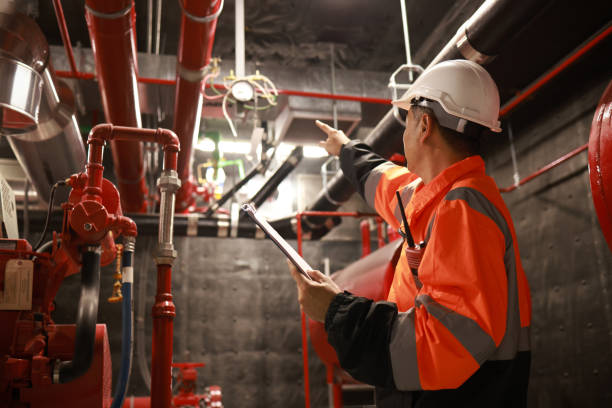
Fire extinguishers are an essential part of emergency preparedness in Australian workplaces. Whether installed in offices, warehouses, retail stores, healthcare facilities, or industrial sites, they provide an important first response to small fires. However, simply installing extinguishers is not enough. Regular fire extinguisher inspection helps ensure they remain operational and ready for use during an emergency.
Australian businesses have a responsibility to reduce fire risks and provide a safe environment for employees, contractors, and visitors. Routine fire extinguisher maintenance supports workplace fire safety by ensuring equipment remains in good working condition. Understanding the recommended extinguisher inspection frequency also helps organisations maintain compliance and reduce the likelihood of equipment failure.
Businesses seeking professional fire safety services in Western Sydney can learn more about inspection and maintenance through CIC Test and Tag. The company provides services that help businesses maintain reliable fire protection systems across a variety of industries.
Why Fire Extinguisher Inspection Matters
Regular inspections help businesses identify faults before they become serious safety concerns. Maintaining fire protection equipment supports safer workplaces and helps ensure extinguishers remain ready for use whenever they are needed.
Understanding the Purpose of Fire Extinguisher Inspection
A fire extinguisher inspection involves checking that extinguishers are correctly installed, accessible, free from visible damage, and suitable for continued use. The inspection also confirms that safety seals remain intact, pressure gauges display acceptable readings, and servicing records are up to date.
Regular inspections are an essential part of fire extinguisher maintenance because they help identify issues such as corrosion, damaged hoses, missing safety pins, or pressure loss. Maintaining the correct extinguisher inspection frequency supports workplace fire safety by ensuring equipment can perform effectively during an emergency.
Australian Requirements for Fire Extinguisher Maintenance
Australian workplaces should follow recognised maintenance practices to ensure fire protection equipment remains reliable. Scheduled inspections and servicing form an important part of managing fire risks across different industries.
Understanding Maintenance Responsibilities
Australian Standards provide guidance on inspecting and maintaining portable fire extinguishers. Businesses should establish appropriate service schedules based on workplace risks, equipment type, and the applicable maintenance requirements.
Working with experienced providers such as CIC Test and Tag helps organisations maintain accurate service records while supporting effective fire extinguisher maintenance. Businesses looking for reliable fire safety services in Western Sydney can also access additional information about workplace fire protection and inspection services.
How Often Should Fire Extinguishers Be Inspected?
Inspection intervals may vary depending on workplace conditions and the type of extinguisher installed. Following an appropriate schedule helps businesses maintain reliable fire protection throughout the year.
Recommended Extinguisher Inspection Frequency
Routine visual checks should be completed regularly to confirm extinguishers remain accessible, correctly mounted, and free from visible damage. Qualified technicians should also perform scheduled servicing in accordance with recognised Australian maintenance practices.
Maintaining the correct extinguisher inspection frequency helps identify faults before they affect emergency response. Regular fire extinguisher inspection also contributes to workplace fire safety by ensuring extinguishers remain suitable for use whenever an incident occurs.
What Happens During a Fire Extinguisher Inspection?
A professional inspection follows a structured process to assess the condition of each extinguisher. This approach helps identify maintenance requirements while supporting ongoing workplace fire safety.
Common Inspection Activities
During a professional fire extinguisher inspection, technicians generally assess:
- The overall physical condition of the extinguisher.
- Pressure gauge readings.
- Safety pins and tamper seals.
- Service labels and maintenance history.
- Mounting brackets and accessibility.
- Signs of corrosion, leaks, or physical damage.
- General compliance with inspection requirements.
This structured process supports effective fire extinguisher maintenance and helps businesses maintain appropriate workplace fire safety practices. CIC Test and Tag follows recognised inspection procedures to assist organisations in managing their fire protection equipment.
Which Businesses Require Regular Fire Extinguisher Inspection?
Different workplaces face different fire risks. Inspection schedules should reflect the operating environment, equipment used, and the level of risk associated with daily activities.
Industries That Benefit from Routine Inspections
Many Australian businesses include regular fire extinguisher inspection within their broader safety management plans. Industries commonly requiring routine inspections include:
- Commercial offices.
- Retail stores.
- Warehouses and distribution centres.
- Manufacturing facilities.
- Healthcare practices.
- Schools and educational institutions.
- Hospitality venues.
- Construction sites.
These workplaces often schedule routine fire extinguisher maintenance to support workplace fire safety while maintaining an appropriate extinguisher inspection frequency throughout the year.
Factors That Affect Extinguisher Inspection Frequency
Not every workplace requires the same inspection schedule. Several factors influence how often equipment should be checked, serviced, and maintained. Understanding these factors helps businesses establish an inspection program that aligns with their operational risks.
Workplace Environment and Equipment Usage
The recommended extinguisher inspection frequency depends on the environment where extinguishers are installed. Equipment located in high-risk areas may require closer monitoring than extinguishers in low-risk office settings.
Factors that commonly influence inspection schedules include:
- The type of workplace and industry.
- Exposure to dust, moisture, or corrosive substances.
- High traffic or heavy equipment movement.
- The likelihood of accidental damage.
- Manufacturer recommendations and servicing requirements.
- Previous inspection findings and maintenance history.
Businesses that use professional fire safety services in Western Sydney can develop inspection schedules that reflect their workplace conditions. CIC Test and Tag assists organisations by providing routine inspections that support effective fire extinguisher maintenance and workplace fire safety.
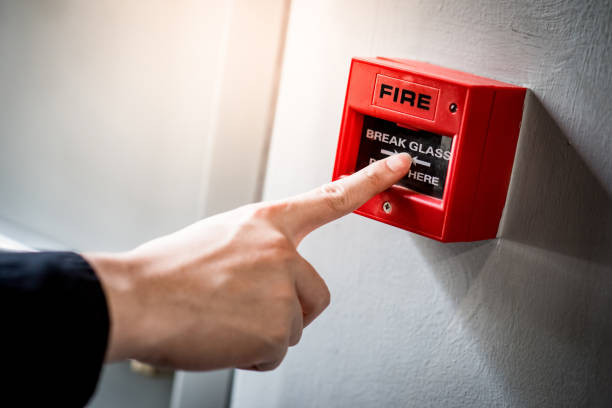
Common Reasons Fire Extinguishers Fail Inspections
Routine inspections help identify problems before an emergency occurs. Equipment that fails an inspection should be serviced, repaired, or replaced to ensure it remains suitable for use.
Issues Found During Fire Extinguisher Inspection
During a fire extinguisher inspection, technicians may identify faults that reduce the effectiveness of the equipment. Addressing these issues promptly helps maintain workplace fire safety and reduces unnecessary risks.
Common issues include:
- Low or excessive pressure.
- Damaged hoses or nozzles.
- Missing safety pins or tamper seals.
- Corrosion or rust on the cylinder.
- Illegible or missing service labels.
- Physical damage caused by impact.
- Obstructed or inaccessible extinguisher locations.
Regular fire extinguisher maintenance allows these issues to be identified early. Maintaining the correct extinguisher inspection frequency also helps businesses reduce the likelihood of equipment being unavailable during an emergency.
Benefits of Professional Fire Safety Services
Professional inspections provide businesses with confidence that fire protection equipment has been assessed using recognised procedures. Qualified technicians can also identify maintenance requirements that may not be obvious during routine visual checks.
Why Professional Inspections Matter
Working with experienced providers helps businesses maintain accurate service records and implement consistent inspection schedules. Professional fire extinguisher inspection also supports compliance with workplace safety responsibilities and reduces the risk of overlooked faults.
Businesses looking for reliable fire safety services in Western Sydney can access inspection and maintenance solutions through CIC Test and Tag. Regular servicing supports workplace fire safety while helping organisations maintain reliable fire protection equipment.
Choosing the Right Fire Safety Provider
Selecting a qualified provider helps ensure inspections are completed accurately and that maintenance records remain organised. Businesses should consider experience, reporting capabilities, and knowledge of Australian fire safety requirements.
What to Consider Before Booking a Service
When choosing a provider for fire extinguisher maintenance, businesses should evaluate several important factors.
- Experience across different industries.
- Knowledge of Australian Standards.
- Accurate inspection reporting.
- Scheduled maintenance reminders.
- Qualified and experienced technicians.
- Reliable customer support and ongoing service.
CIC Test and Tag works with businesses across different industries to deliver structured inspection programs that support workplace fire safety. Organisations can also find additional information about available services by visiting the CIC Test and Tag website.
Maintaining Fire Safety Throughout the Year
Fire safety is an ongoing responsibility rather than a one-time task. Regular inspections, timely servicing, and employee awareness all contribute to maintaining effective fire protection within the workplace.
Building a Proactive Fire Safety Plan
An effective fire safety plan includes routine fire extinguisher inspection, scheduled fire extinguisher maintenance, staff awareness, and appropriate extinguisher inspection frequency. Reviewing equipment regularly allows businesses to identify potential issues before they become serious risks.
Working with providers offering fire safety services in Western Sydney helps organisations implement practical maintenance schedules that support workplace fire safety throughout the year.
Conclusion
Regular fire extinguisher inspection is an essential part of maintaining a safe and compliant workplace. While installing fire extinguishers is an important first step, ongoing fire extinguisher maintenance ensures they remain ready to perform when an emergency occurs. Following the recommended extinguisher inspection frequency helps businesses identify potential issues early, reduce equipment failure, and strengthen workplace fire safety across all types of work environments.
Whether your business operates from an office, warehouse, retail store, healthcare facility, or industrial site, scheduled inspections contribute to a safer workplace and support effective risk management. Partnering with an experienced provider such as CIC Test and Tag can help businesses implement structured inspection schedules and maintain reliable fire protection systems.
If you would like to arrange an inspection or learn more about available services, Visit Us at CIC Test and Tag to discuss your workplace fire safety requirements.
Frequently Asked Questions
How often should a fire extinguisher inspection be carried out?
The recommended extinguisher inspection frequency depends on the workplace, the type of extinguisher, and the applicable Australian Standards. Regular visual checks and scheduled servicing help ensure extinguishers remain safe, accessible, and ready for use.
Why is fire extinguisher maintenance important?
Fire extinguisher maintenance helps identify problems such as pressure loss, corrosion, damaged components, or missing safety seals before they affect performance. Routine servicing also supports workplace fire safety by ensuring equipment remains operational during an emergency.
Which businesses need regular fire extinguisher inspection?
Most Australian workplaces benefit from routine fire extinguisher inspection, including offices, retail stores, warehouses, manufacturing facilities, healthcare practices, schools, hospitality venues, and construction sites. Inspection schedules should reflect the level of fire risk within each workplace.
What is included in professional fire safety services in Western Sydney?
Professional fire safety services in Western Sydney typically include fire extinguisher inspection, fire extinguisher maintenance, scheduled servicing, compliance reporting, and advice on maintaining workplace fire safety in accordance with Australian requirements.
How can I arrange a fire extinguisher inspection for my business?
Businesses can contact CIC Test and Tag through the Contact Us page to organise a fire extinguisher inspection, discuss fire extinguisher maintenance schedules, or obtain more information about fire safety services in Western Sydney.