Fleet Vehicle Fire Safety Compliance in Western Sydney: A Complete Guide
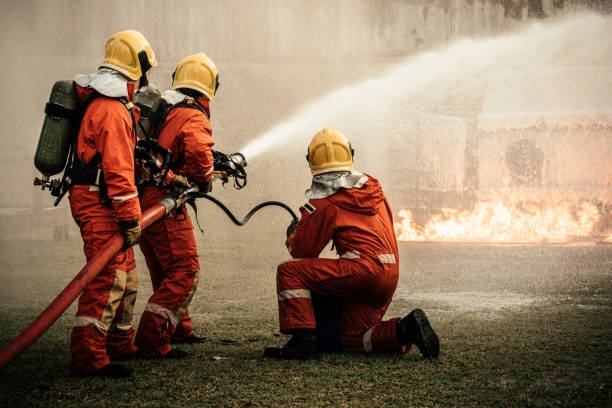
Fleet vehicles play an essential role in construction, logistics, infrastructure, maintenance, and service industries across Western Sydney. These vehicles often carry electrical tools, fuel, batteries, and machinery that increase the risk of fire incidents. Because of this, maintaining proper fleet vehicle fire safety compliance is not only a regulatory requirement but also a critical operational responsibility.
For businesses operating fleets, maintaining a structured safety program helps reduce risks, improve compliance, and protect workers. Regular equipment checks, fire extinguisher servicing, and electrical testing procedures are all part of a broader safety framework that ensures vehicles remain safe for daily operations.
Companies like CIC Test and Tag support businesses by offering professional safety inspections and compliance services designed for fleet environments. When properly implemented, these services help organizations maintain regulatory standards while protecting their staff and equipment.
This guide explains how fleet vehicle fire safety compliance works in Western Sydney, what regulations apply, and how businesses can implement effective inspection and testing programs.
Understanding Fleet Vehicle Fire Safety Requirements
Fleet vehicles operate in environments where electrical equipment, fuel systems, and portable tools are used daily. These conditions can increase the likelihood of fire hazards if safety measures are not maintained.
Fleet vehicle fire safety involves multiple components including equipment maintenance, electrical testing, fire extinguisher inspections, and safety documentation. Businesses must ensure these elements are regularly monitored to comply with Australian workplace safety regulations.
Why Fleet Fire Safety Matters
Proper safety management helps prevent fire incidents and reduces operational risks across large vehicle fleets.
Fire safety programs typically focus on the following areas:
- inspection of fire extinguishers installed in vehicles
- monitoring of electrical equipment and portable appliances
- routine vehicle safety checks
- staff awareness and emergency response procedures
- compliance documentation and record keeping
Businesses across Western Sydney often rely on professional compliance providers such as CIC Test and Tag to ensure inspections are completed according to Australian safety standards.
Key Fire Risks in Industrial and Commercial Fleet Vehicles
Commercial fleet vehicles frequently carry equipment that can create potential ignition sources. Identifying these hazards is the first step toward developing a safe fleet management strategy.
Common Fire Hazards in Fleet Vehicles
Electrical systems and portable devices used inside vehicles can become significant risk factors if they are not regularly tested.
Typical hazards include:
- damaged power cords or electrical leads
- faulty portable equipment used on job sites
- overloaded power systems in work vehicles
- poorly maintained batteries or charging units
- flammable materials stored inside the vehicle
Routine electrical safety test and tag programs help detect these issues early. These inspections ensure equipment used inside fleet vehicles remains safe and compliant.
Regular safety inspections conducted by CIC Test and Tag help businesses detect these hazards before they lead to operational disruptions or safety incidents.
Fire Extinguisher Requirements for Fleet Vehicles
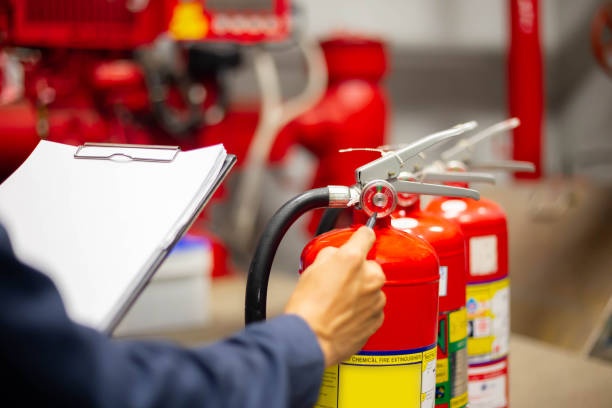
Portable fire extinguishers are one of the most important safety tools installed in fleet vehicles. Australian workplace safety regulations require that extinguishers be accessible, functional, and inspected regularly.
Importance of Fire Extinguisher Inspections
Fire extinguishers must be maintained according to safety standards to ensure they operate effectively during emergencies.
Regular inspections help verify:
- pressure levels and operational readiness
- correct placement inside the vehicle
- accessibility during emergencies
- compliance with safety regulations
- absence of damage or corrosion
Businesses operating in Western Sydney often schedule routine fire extinguisher inspection fleet vehicles Sydney services to maintain compliance and ensure safety equipment remains operational.
These inspections form a key component of any comprehensive fleet vehicle fire safety program.
The Role of Electrical Test and Tag in Fleet Compliance
Electrical safety is closely linked to fire risk prevention in fleet vehicles. Portable electrical tools and equipment frequently travel between work sites inside service vehicles.
Without routine testing, damaged cables or faulty appliances may become ignition sources.
What Electrical Test and Tag Covers
Electrical testing programs verify that portable appliances remain safe for continued use in workplace environments.
Testing typically involves:
- inspection of cables and plugs
- electrical insulation testing
- verification of grounding and polarity
- tagging equipment with inspection dates
- recording compliance documentation
Businesses that rely on field technicians or mobile service teams often require electrical test and tag for industrial vehicles to ensure portable equipment transported in their fleet meets safety standards.
Professional providers such as CIC Test and Tag perform these inspections using certified equipment and documented procedures aligned with Australian regulations.
Comparing Fleet Safety Approaches
Many businesses adopt either reactive or proactive safety approaches when managing fleet vehicle safety. Proactive programs often reduce long term operational risks.
| Factor | Proactive Fleet Safety Approach | Reactive Fleet Safety Approach |
| Hazard Identification | Regular inspections detect risks early | Hazards identified after incidents |
| Compliance Management | Continuous monitoring and documentation | Compliance addressed after audits |
| Operational Downtime | Lower risk of interruptions | Higher downtime after safety incidents |
| Equipment Reliability | Routine testing improves equipment lifespan | Equipment failures more common |
| Workforce Safety | Higher confidence among employees | Safety concerns may increase |
Companies implementing structured safety programs with support from CIC Test and Tag often experience improved compliance outcomes and reduced operational risk.
Implementing a Fleet Fire Safety Program
Developing a fleet fire safety strategy requires planning, documentation, and consistent inspections.
Businesses in Western Sydney should establish a system that integrates vehicle inspections with workplace safety policies.
Key Steps for Effective Implementation
A well-structured safety program typically includes the following steps:
- identifying vehicles that require safety inspections
- documenting electrical equipment used inside fleet vehicles
- scheduling routine extinguisher and equipment inspections
- maintaining compliance records
- training staff in emergency response procedures
In addition to fire safety, many businesses also implement workplace emergency preparation measures such as first aid services to improve employee safety across job sites.
Providers like CIC Test and Tag often support organizations by managing inspection schedules and maintaining safety documentation.
Inspection Frequency and Compliance Standards
Australian workplace safety regulations outline recommended testing and inspection intervals for electrical equipment and fire safety devices.
Businesses operating fleet vehicles should follow these guidelines to maintain regulatory compliance.
Recommended Inspection Intervals
The frequency of testing may vary depending on industry type and equipment usage.
Typical inspection intervals include:
- portable electrical equipment testing every 6 to 12 months
- fire extinguisher inspections every 6 months
- visual vehicle safety checks before daily operation
- comprehensive fleet safety audits annually
By maintaining these schedules, organizations can significantly reduce fire risks and ensure workplace safety standards are met.
Documentation and Compliance Records
Maintaining accurate records is a critical component of fleet safety compliance. Safety audits and regulatory inspections often require documented evidence of testing and maintenance.
Why Compliance Documentation Is Important
Safety documentation helps businesses demonstrate that inspections and maintenance procedures are consistently followed.
Important records include:
- electrical test reports
- tagging logs for portable appliances
- fire extinguisher inspection records
- maintenance and repair documentation
- employee safety training records
Organizations working with CIC Test and Tag typically receive detailed documentation that helps simplify compliance reporting during workplace safety audits.
Benefits of Professional Safety Inspection Services
Managing safety inspections internally can be challenging for organizations with large fleets or multiple operational sites.
Professional inspection services help ensure safety checks are conducted accurately and in accordance with Australian standards.
Advantages of Professional Testing Programs
Businesses benefit from working with specialized compliance providers in several ways.
Key advantages include:
- accurate testing performed by trained technicians
- compliance with Australian safety regulations
- reliable inspection schedules
- detailed reporting and documentation
- reduced administrative burden for internal teams
CIC Test and Tag support businesses across Western Sydney by delivering structured inspection services that address both electrical safety and fire protection requirements.
These services help organizations maintain compliance without disrupting day-to-day operations.
Safety Training and Workforce Awareness
Even with proper equipment inspections, employee awareness remains a crucial part of fire safety management.
Workers who operate fleet vehicles should understand basic fire prevention and emergency response procedures.
Essential Safety Awareness Practices
Safety training helps employees respond effectively if an incident occurs.
Training topics typically include:
- recognizing potential fire hazards
- correct use of portable fire extinguishers
- safe handling of electrical equipment
- reporting damaged tools or equipment
- emergency evacuation procedures
Businesses that combine regular inspections with workforce training programs often maintain stronger safety cultures and lower workplace incident rates.
Technology and Fleet Safety Monitoring
Advances in digital monitoring systems are improving how organizations manage fleet safety compliance.
Modern fleet management tools allow businesses to track inspection schedules and maintain digital safety records.
How Technology Improves Compliance
Digital safety management systems can help businesses maintain consistent safety practices.
Benefits of digital monitoring include:
- automated reminders for inspection dates
- centralized safety documentation
- easier compliance reporting
- improved visibility across multiple vehicles
- reduced risk of missed inspections
When integrated with professional testing services from CIC Test and Tag, these tools help businesses maintain long term fleet safety compliance.
Fleet Fire Safety Compliance in Western Sydney
Western Sydney continues to experience strong growth in logistics, construction, and industrial services. As fleets expand, businesses must ensure their safety programs evolve accordingly.
Companies that operate service vehicles, transport fleets, and mobile work units must ensure their safety procedures align with regulatory standards.
Routine testing, safety documentation, and professional inspections help organizations maintain a consistent fleet of vehicle fire safety practices while protecting employees and assets.
Conclusion
Fleet vehicles are essential assets for many industries across Western Sydney, but they also introduce unique safety challenges. Electrical equipment, portable tools, and flammable materials can increase the risk of fire incidents if safety procedures are not maintained.
Implementing a structured fleet vehicle fire safety programs helps businesses reduce these risks while maintaining compliance with workplace safety regulations. Key components include regular fire extinguisher inspections, electrical equipment testing, documentation management, and workforce safety training.
Professional compliance providers such as CIC Test and Tag help organizations maintain consistent safety standards through structured inspection programs. Businesses seeking support with compliance inspections or safety services can contact us to learn more about available solutions.
By prioritizing safety inspections and proactive maintenance, organizations can protect their workforce, maintain regulatory compliance, and ensure the long-term reliability of their fleet operations.
Frequently Asked Questions
What is fleet vehicle fire safety compliance?
Fleet vehicle fire safety compliance refers to maintaining safety measures that prevent fire hazards in commercial vehicles. This includes electrical equipment testing, fire extinguisher inspections, and proper documentation to meet workplace safety regulations.
How often should fleet vehicle fire extinguishers be inspected?
Fire extinguishers installed in fleet vehicles are typically inspected every six months to ensure they remain functional, accessible, and compliant with safety standards.
Why is electrical test and tag important for fleet vehicles?
Electrical testing ensures portable equipment carried in vehicles is safe to use. Damaged cords or faulty devices can create fire hazards if they are not inspected regularly.
Which businesses need fleet fire safety inspections?
Industries that rely on service vehicles such as construction, logistics, electrical services, and maintenance companies typically require regular fleet safety inspections.
How can businesses schedule fleet safety inspections?
Businesses can arrange professional inspections through qualified safety providers. Organizations seeking assistance with compliance services can contact us to discuss available inspection programs.