What Is Electrical Test and Tag? A Complete Guide for Australian Businesses
Electrical equipment is essential for almost every Australian workplace. From offices and retail stores to warehouses, schools, healthcare facilities, and construction sites, businesses rely on electrical appliances every day. While these appliances make work more efficient, damaged or faulty equipment can create serious hazards if not inspected regularly.
This is where electrical test and tag becomes an important part of maintaining a safe working environment. The process helps identify electrical faults before they become safety risks, supporting businesses in meeting their responsibilities for workplace electrical safety and reducing the likelihood of electrical incidents.
Businesses seeking professional inspection services can learn more about the electrical test and tag process through the Electrical Test and Tag service provided by CIC Test and Tag. Understanding how the process works helps employers make informed decisions about electrical safety across their workplace.
Understanding Electrical Test and Tag
Electrical equipment requires regular inspection because damage is not always visible. A proper inspection process helps identify hidden electrical faults before equipment is returned to normal workplace use.
What Does Electrical Test and Tag Mean?
Electrical test and tag refers to the inspection and testing of portable electrical appliances to confirm they are safe for continued use. The process combines a visual inspection with instrument testing to detect faults that cannot be seen externally.
Following successful testing, a durable tag is attached to the appliance showing the inspection date, testing outcome, technician details, and the recommended date for the next inspection. This systematic approach supports portable appliance testing across many Australian industries.
Businesses using professional test and tag in Australia services gain documented evidence that electrical equipment has been inspected according to recognised safety procedures.
Why Is Electrical Test and Tag Important?
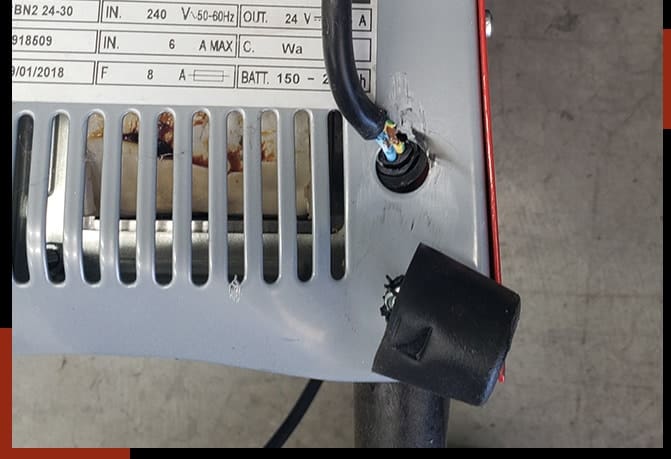
Every workplace has electrical equipment that experiences regular wear and tear. Cables may become damaged, plugs may loosen, and insulation can deteriorate over time. Regular inspections reduce the risk of these issues developing into electrical hazards.
Protecting Employees and Visitors
The primary objective of electrical test and tag is improving workplace electrical safety. Faulty electrical equipment can expose employees, contractors, customers, and visitors to risks such as electric shock, burns, or electrical fires.
Routine inspection allows damaged appliances to be identified before an incident occurs. This proactive approach helps businesses create safer working environments while reducing equipment-related risks.
Professional providers such as CIC Test and Tag perform systematic inspections that help businesses maintain consistent safety practices across different workplace environments.
Supporting Legal Responsibilities
Australian employers have a duty to provide a safe workplace under applicable workplace health and safety legislation. Although regulations vary between states and industries, businesses are expected to manage electrical risks appropriately.
Using qualified professionals for test and tag in Australia helps employers demonstrate that reasonable steps have been taken to manage electrical hazards. Documented inspection records may also assist during workplace audits or safety reviews.
How Does Portable Appliance Testing Work?
Many people hear the term portable appliance testing without fully understanding what it involves. The process is structured and follows recognised testing procedures designed to assess electrical safety.
The Inspection Process
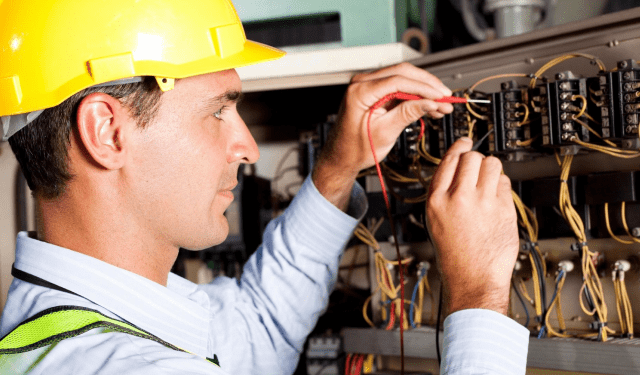
Before electrical instruments are used, technicians complete a detailed visual inspection of each appliance. They examine the power cord, plug, switches, casing, insulation, and any visible signs of damage.
If visual defects are identified, the equipment may be removed from service immediately without further testing. If the appliance passes the visual inspection, electrical testing is then completed using specialised equipment that measures various safety parameters.
This combination of visual inspection and portable appliance testing provides a more comprehensive assessment than visual checks alone.
Electrical Testing Equipment
Qualified technicians use calibrated testing instruments designed to measure electrical performance and identify hidden faults. Depending on the appliance type, testing may include earth continuity, insulation resistance, polarity, and leakage current assessments.
These measurements help determine whether electrical equipment continues to operate safely within acceptable standards. Once testing is complete, compliant appliances receive updated identification tags showing the latest inspection information.
Which Businesses Need Test and Tag Services?
Different workplaces have varying levels of electrical risk. The frequency of inspections often depends on how equipment is used, the working environment, and applicable industry requirements.
Common Industries That Require Regular Testing
Many Australian organisations include routine electrical test and tag as part of their broader workplace electrical safety programs. Industries commonly requiring regular inspections include:
- Construction and trade services
- Manufacturing facilities
- Warehouses and logistics centres
- Healthcare providers
- Schools and educational institutions
- Hospitality businesses
- Retail stores
- Commercial offices
Each workplace has unique electrical risks, making scheduled portable appliance testing an important component of equipment maintenance.
How Often Should Electrical Equipment Be Tested?
The frequency of inspections depends on several factors, including the workplace environment, how often equipment is used, and the level of electrical risk. Businesses should establish a testing schedule based on risk assessments rather than assuming all equipment requires the same inspection interval.
Factors That Influence Testing Frequency
Equipment used in demanding environments generally requires more frequent inspection than equipment located in low-risk office settings. Factors that affect testing intervals include:
- The type of workplace and industry.
- The condition and age of electrical equipment.
- How frequently appliances are used.
- Exposure to dust, moisture, vibration, or physical damage.
- Previous inspection results and maintenance history.
Businesses using test and tag in Australia should review their inspection schedules regularly to ensure they continue supporting effective workplace electrical safety practices.
Professional providers such as CIC Test and Tag can assist businesses in developing testing schedules that reflect operational risks and industry expectations.
Australian Standards for Electrical Test and Tag
Australian businesses should understand that electrical inspections are carried out in accordance with recognised standards and workplace safety obligations. Following these requirements helps ensure testing is completed consistently and accurately.
Understanding Compliance Requirements
The Australian Standard AS/NZS 3760 outlines the procedures for inspecting and testing electrical equipment in many workplace environments. It provides guidance on inspection methods, testing procedures, documentation, and recommended testing intervals.
While requirements may differ depending on the industry and state or territory, following recognised standards helps businesses demonstrate a structured approach to electrical test and tag and portable appliance testing.
Keeping accurate testing records also supports compliance during workplace audits and safety inspections.
What Happens If Equipment Fails the Test?
Not every appliance will pass inspection. Electrical equipment naturally deteriorates over time, and identifying faults before they create hazards is one of the main purposes of routine testing.
Managing Failed Equipment Safely
If equipment fails electrical test and tag, it should be removed from service immediately to prevent accidental use. The failed appliance is generally labelled to indicate that it should not be operated until it has been repaired or replaced.
After repairs are completed, the equipment should undergo another round of portable appliance testing before being returned to normal workplace use. This process helps maintain consistent workplace electrical safety across the organisation.
Common Misconceptions About Electrical Test and Tag
Many businesses have misconceptions about the testing process, leading to unnecessary risks or missed inspection opportunities. Understanding the facts helps organisations make informed safety decisions.
Misconception 1: New Equipment Never Needs Testing
New appliances are generally supplied in safe working condition, but they can still become damaged during transport, installation, or daily use. Regular inspections remain important once equipment enters workplace service.
Misconception 2: Visual Checks Are Always Enough
A visual inspection can identify obvious damage, but many electrical faults develop internally and cannot be seen. This is why portable appliance testing uses specialised equipment to detect hidden electrical problems that visual inspections alone may miss.
Misconception 3: Every Workplace Has the Same Requirements
Testing intervals vary according to workplace conditions and risk levels. Construction sites, workshops, and manufacturing facilities usually require more frequent inspections than standard office environments.
Businesses using professional test and tag in Australia services receive guidance based on their specific workplace risks rather than a one-size-fits-all approach.
Choosing a Professional Test and Tag Provider
Selecting an experienced provider helps ensure inspections are completed correctly and that businesses receive accurate documentation for their records.
What to Look For
When selecting a provider for electrical test and tag, businesses should consider:
- Experience working across different industries.
- Knowledge of Australian testing standards.
- Accurate electronic reporting and asset records.
- Calibrated testing equipment.
- Clear communication and reliable scheduling.
- Professional documentation for compliance purposes.
Working with an experienced provider such as CIC Test and Tag helps businesses implement practical inspection programs that support long-term workplace electrical safety.
Benefits of Regular Electrical Test and Tag
Routine inspections do more than help meet workplace obligations. They also support safer operations, minimise equipment downtime, and provide businesses with confidence that electrical appliances remain suitable for everyday use.
Improving Long Term Workplace Safety
Regular electrical test and tag helps businesses identify faulty appliances before they become serious hazards. Early detection reduces the likelihood of electric shock, equipment failure, and electrical fires while supporting consistent workplace electrical safety across different work environments.
Scheduled inspections also help businesses maintain accurate maintenance records, making it easier to monitor equipment condition over time. Organisations that invest in routine test and tag in Australia often experience fewer unexpected equipment issues because potential faults are identified before they lead to costly disruptions.
By working with experienced providers such as CIC Test and Tag, businesses can implement practical inspection schedules that align with operational requirements and recognised Australian testing practices.
Conclusion
Electrical equipment plays an important role in every workplace, but it also requires regular inspection to remain safe for continued use. Electrical test and tag is a structured process that combines visual inspections with portable appliance testing to identify faults that may not be immediately visible.
Whether operating a small office, retail store, warehouse, healthcare facility, or construction site, businesses benefit from proactive workplace electrical safety practices. Understanding how test and tag in Australia works enables employers to better manage electrical risks, maintain accurate inspection records, and support a safer working environment for employees and visitors.
Businesses looking for professional guidance or workplace testing services can Contact Us to discuss their electrical safety requirements and inspection schedule.
Frequently Asked Questions
What is electrical test and tag?
Electrical test and tag is the process of visually inspecting and electrically testing portable appliances to confirm they are safe for continued workplace use. After successful testing, a tag is attached showing the inspection date and the next recommended testing date.
Is electrical test and tag mandatory in Australia?
Requirements vary depending on the workplace, industry, and applicable legislation. Many businesses carry out regular test and tag in Australia as part of their workplace electrical safety responsibilities and risk management programs.
What equipment requires portable appliance testing?
Portable appliance testing applies to many electrical items with a power plug, including computers, monitors, printers, kettles, extension leads, power boards, chargers, workshop tools, and other portable electrical equipment used in workplaces.
How often should electrical equipment be tested?
Testing frequency depends on the workplace environment, equipment usage, and risk level. High-risk industries generally require more frequent inspections than low-risk office environments. A qualified provider such as CIC Test and Tag can recommend suitable testing intervals.
Who should I contact for electrical test and tag services?
Businesses seeking professional electrical test and tag services can contact CIC Test and Tag through the Contact Us page to discuss workplace requirements, testing schedules, and compliance documentation.